This Vacation Rental Short Term Lease Agreement (this “Agreement”) is made between Podhopping LLC (“Owner”) and the person making the booking (“Guest”) as of the date of the online booking. Owner and Guest may be referred to individually as a “Party” and together as the “Parties.” For good and valuable consideration, the sufficiency of which is acknowledged, the Parties agree as follows:
Property and rental party
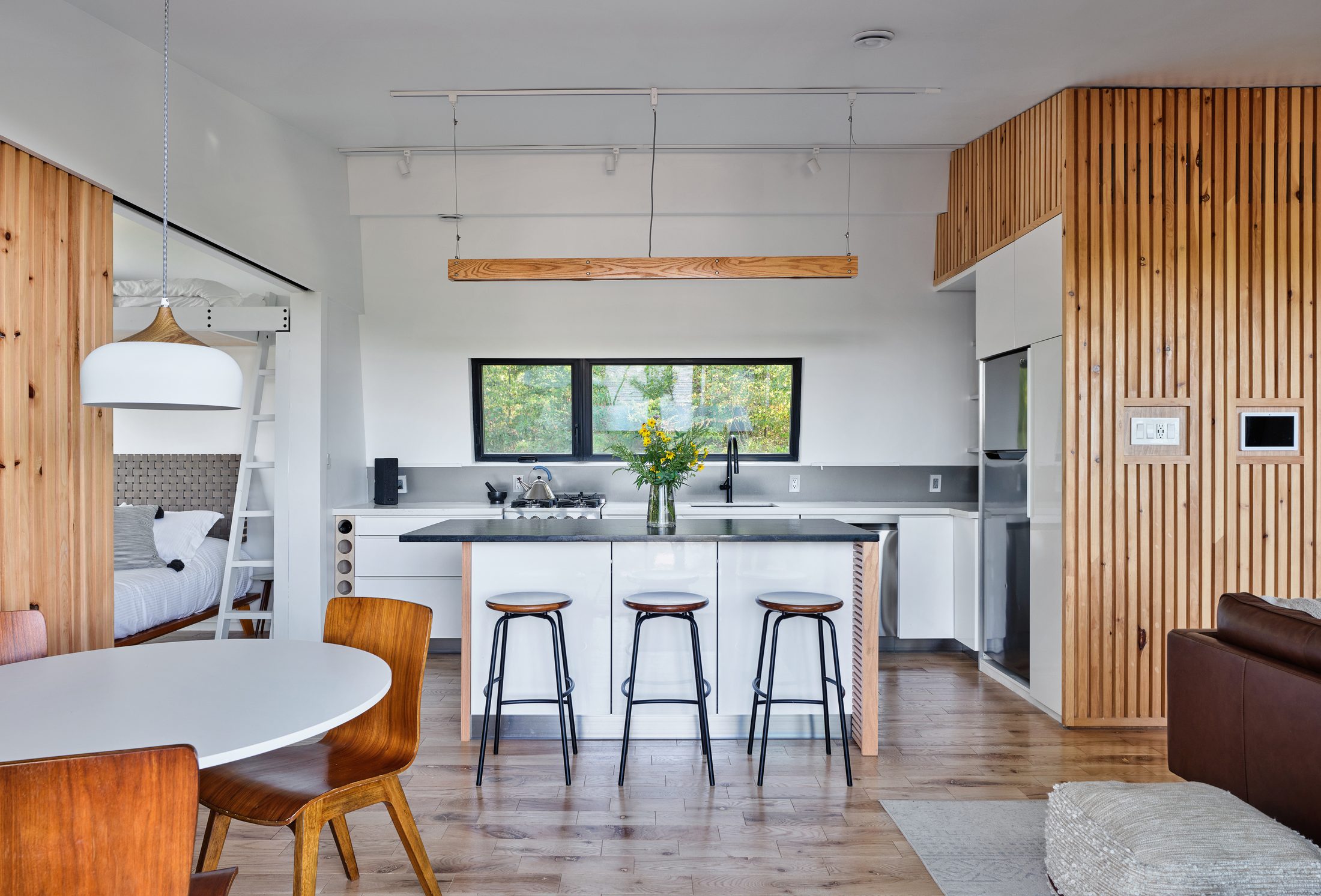
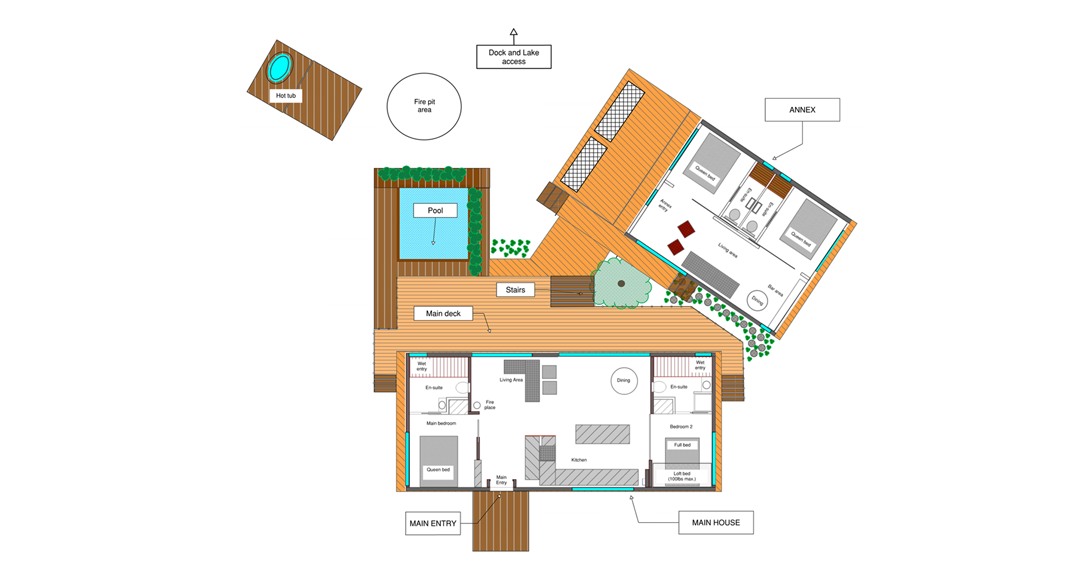
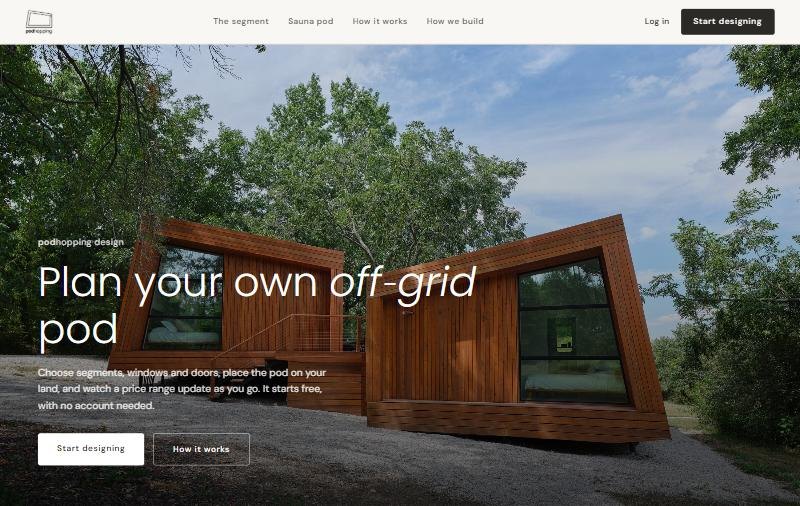
1. Property. The property is the Butterfly Pods: two buildings (pods), each with 2 bedrooms and 2 bathrooms, located in Pleasanton, Kansas 66075. The full address is provided to Guest after booking (the “Property”). The Property is fully furnished by Owner and equipped for light housekeeping, and includes the amenities described on the Podhopping website (www.podhopping.com). A starter supply of household cleaning and hygiene products may be available for use. Guest is responsible for buying any additional supplies and all food and beverages.
2. Rental Party. All persons in the rental party are bound by the terms of this Agreement. Every occupant staying overnight, adult or child, is part of the Rental Party.
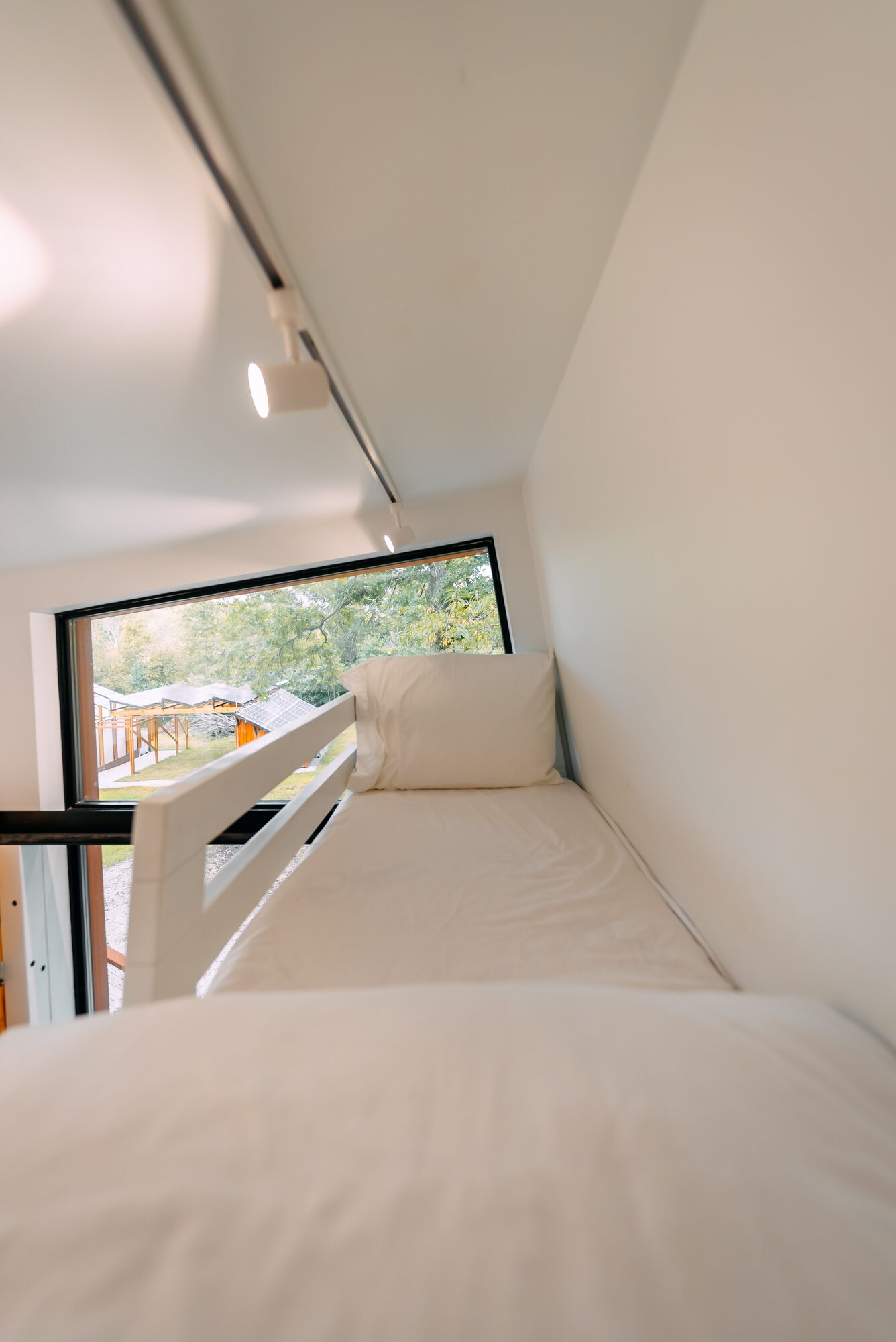
3. Maximum Occupancy. No more than 9 (nine) persons may stay at the Property: up to 8 adults and 1 child or teen in the loft bunk (up to 120 lb), unless Owner gives prior written consent and the Parties agree any additional cost.
4. Visitors. A visitor is anyone on the Property who is not staying overnight. Guest must obtain Owner’s prior written consent before allowing visitors onto the Property.
Stay, check-in and access
5. Rental Period and Check-In. The rental period runs from the check-in date to the check-out date chosen at booking. The Property will be ready from 3pm on the check-in date and must be vacated by 11am on the check-out date, unless Owner agrees otherwise. If any member of the Rental Party stays beyond the check-out date, Guest will pay the rental rate under Section 8 for each extra day until everyone has left. The Property has a 2-night minimum stay.
6. Keys and Access. Owner will provide key(s) to the front door. Guest may not copy keys. A $50 fee applies to any key not returned. Any attempt to enter a locked area is grounds for immediate termination of this Agreement and forfeiture of all rent paid, and Guest will be liable for any missing items or damage.
House rules
7. Rental Rules and Restrictions. Guest agrees that the Rental Party will follow these rules:
- No noise, loud music or disturbance after 11pm.
- No hunting of local wildlife.
- No pets or animals.
- No smoking inside the Property.
- Do not bring or plug in your own electrical appliances. The off-grid power supply is sized for the equipment provided.
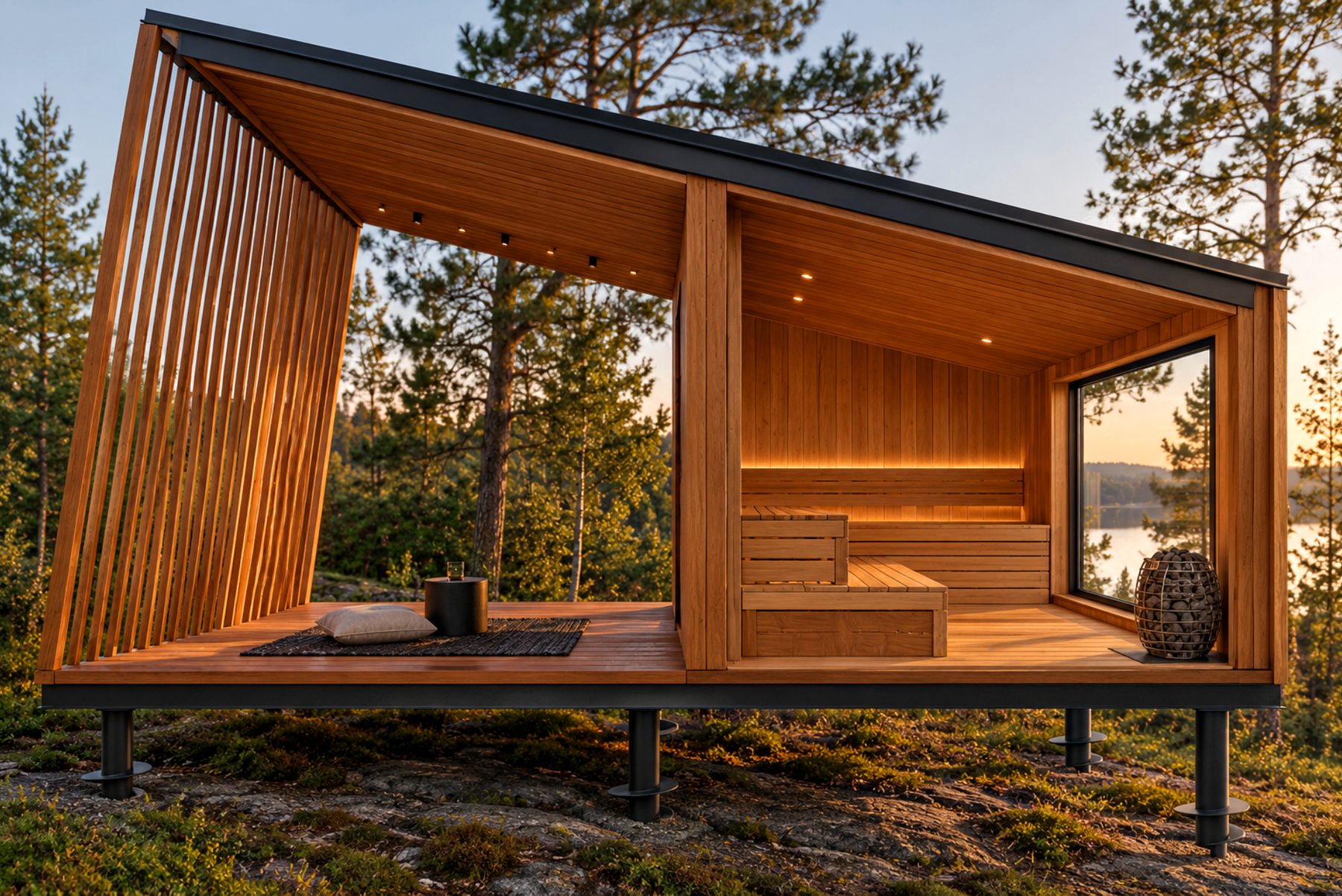
- Use of the pool, lakes, wood-fired hot tub, fire pit, dock, kayaks and paddleboard is at the Rental Party’s own risk. Children must be supervised by an adult near water and fire at all times.
- Follow the Experience Guide instructions for lighting the hot tub and fire pit.
- No diving into the pool or lakes.
- Put the floating pool cover back on the pool whenever it is not in use.
- The Property uses a septic system. Flush nothing but toilet paper, and never flush feminine products.
- Bath towels and pool towels are both provided. Use only the pool towels outdoors.
- Return all furniture to its original place.
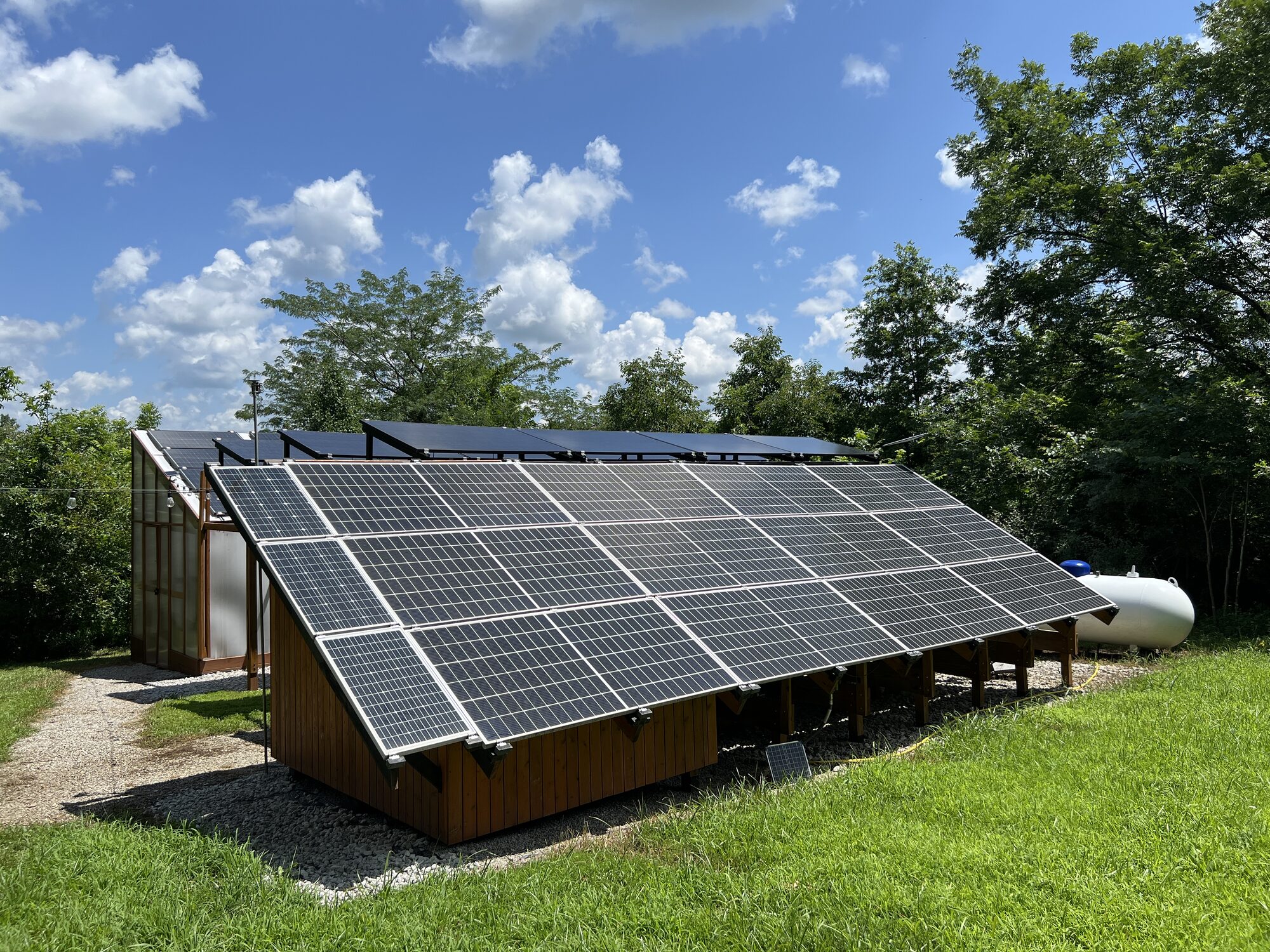
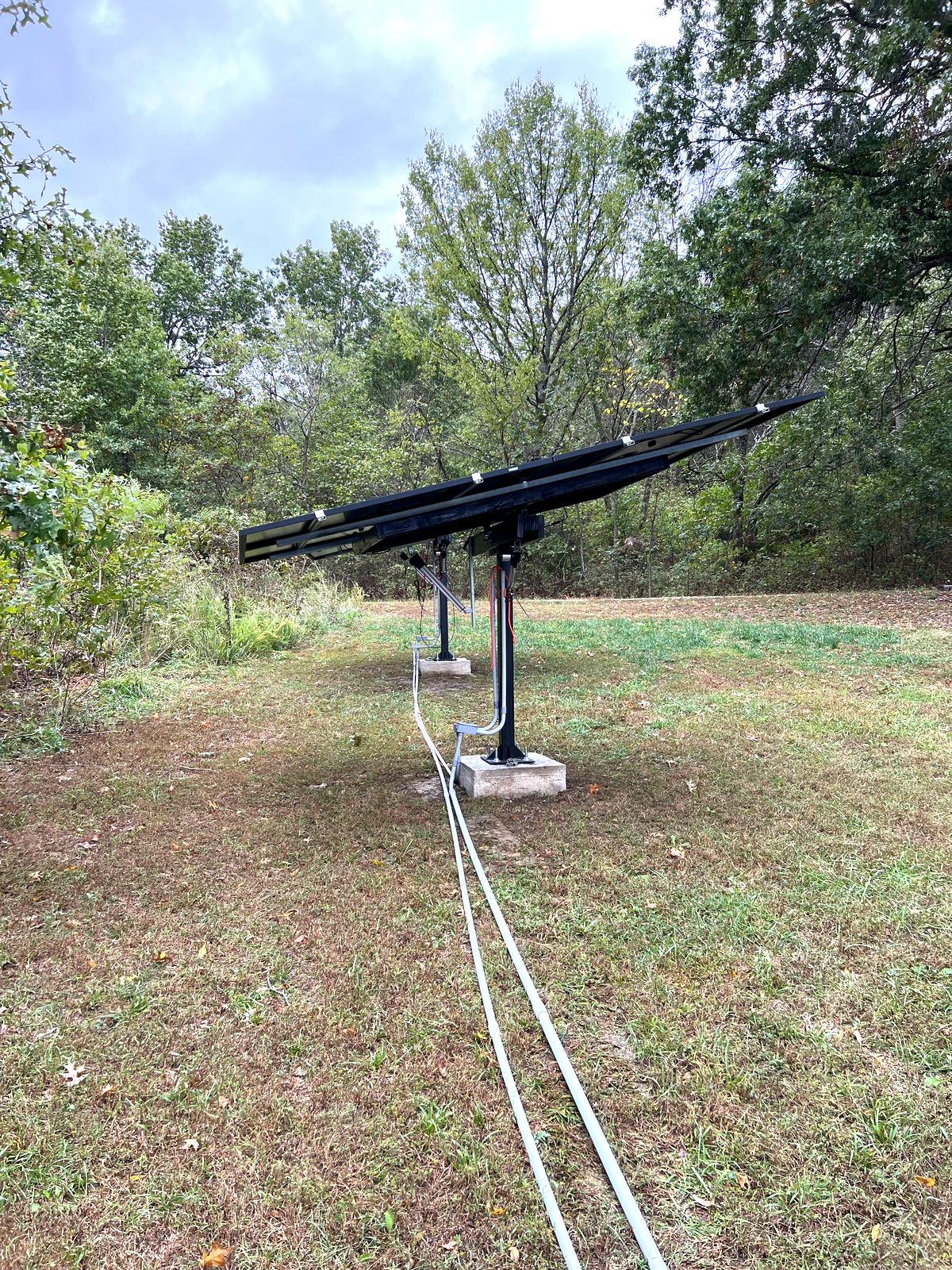
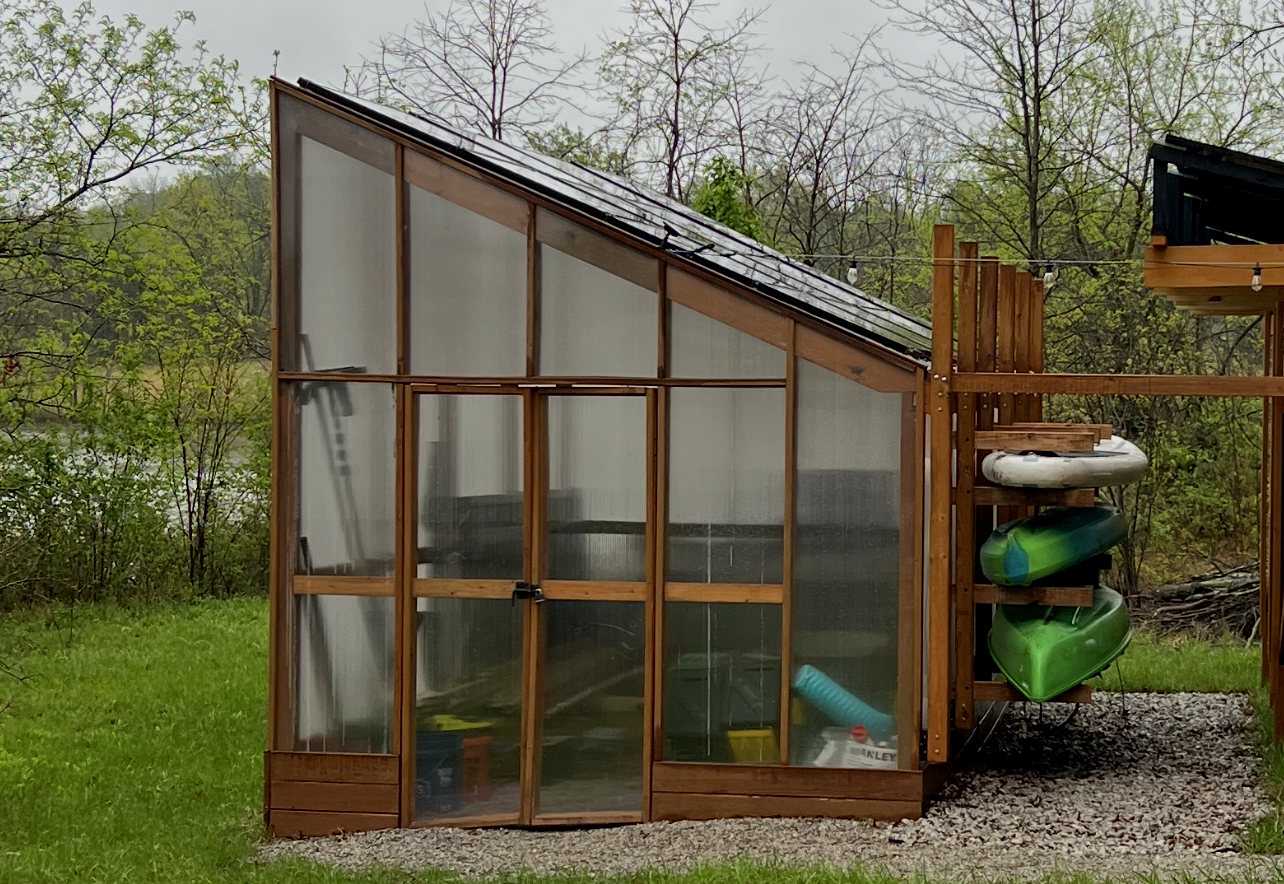
- Empty all trash into the dumpster at the far end of the solar panel utility shed.
- Remove all food from the refrigerator, pantry and cabinets.
- Load dirty dishes and utensils into the dishwasher and start it when you leave.
- Leave used sheets on the beds and used towels in the bathrooms.
- Put the front door key back in the lock box and leave the deadbolts locked.
- Leave any other keys in the key box on the kitchen counter.
If any member of the Rental Party breaks these rules, the Rental Party may be asked to leave the Property and Guest will forfeit all rent paid.
Payment, deposits and cancellation
8. Reservation Deposit and Payment. Guest pays the rent and any applicable taxes through the online booking process. A deposit of 50% of the total (the “Reservation Deposit”) is due at booking, and the balance is due 30 days before arrival. The Reservation Deposit is non-refundable except as set out in Section 10, and is applied toward the rental rate.
9. Security Deposit. Owner may, at its discretion, charge a security deposit of $250.00 at the time of reservation. It will be refunded after Guest’s departure and an inspection of the Property, less any deductions for damage to the Property or furnishings, excessive mess requiring extra cleaning, or other costs incurred outside the normal course because of Guest’s stay.
10. Cancellation. If Guest cancels more than 6 weeks (42 days) before the check-in date, Owner will refund 70% of the Reservation Deposit. If Guest cancels 6 weeks or less before the check-in date, all payments made are forfeited.
Cleaning, furnishings and parking
11. Cleaning. No cleaning fee is charged. Daily housekeeping is not included. During the stay, Guest is responsible for keeping the Property clean and in good condition, and must report any unsafe or dangerous condition to Owner immediately. Guest accepts that the Property is in good condition at check-in, except for any defect Guest reports to Owner by the end of the first day after arrival. Guest will leave the Property in the same condition and in good repair.
12. Furnishings. The Property is furnished as described on the website, and furnishings may change without notice. Furniture, bedding, kitchen equipment, utensils and other items supplied may not be removed from the Property. Guest will be charged for any lost items and for damage beyond normal wear and tear. Owner will inspect the Property after Guest leaves. All contents belong to Owner. If anything breaks, Guest must tell Owner immediately. Guest may not alter the wiring of any television, computer, internet, tablet or other equipment.
13. Parking. Guest may park only in the designated parking area (about 3 vehicles). Cars parked elsewhere may be towed or fined.
Utilities, off-grid living and the camera
14. Mechanical Failures. Owner maintains the Property and its equipment in good working order, but cannot guarantee against failure of power, plumbing, water supply, heating, air conditioning, audio-visual equipment, internet access or appliances. Guest will report any equipment that stops working, or any other maintenance problem, to Owner immediately. Owner will make every reasonable effort to have repairs done quickly, and Guest will allow Owner or a person Owner authorizes into the Property for repairs and inspection. Owner is not responsible for any resulting inconvenience, and no refunds or rent reductions will be made for such failures.
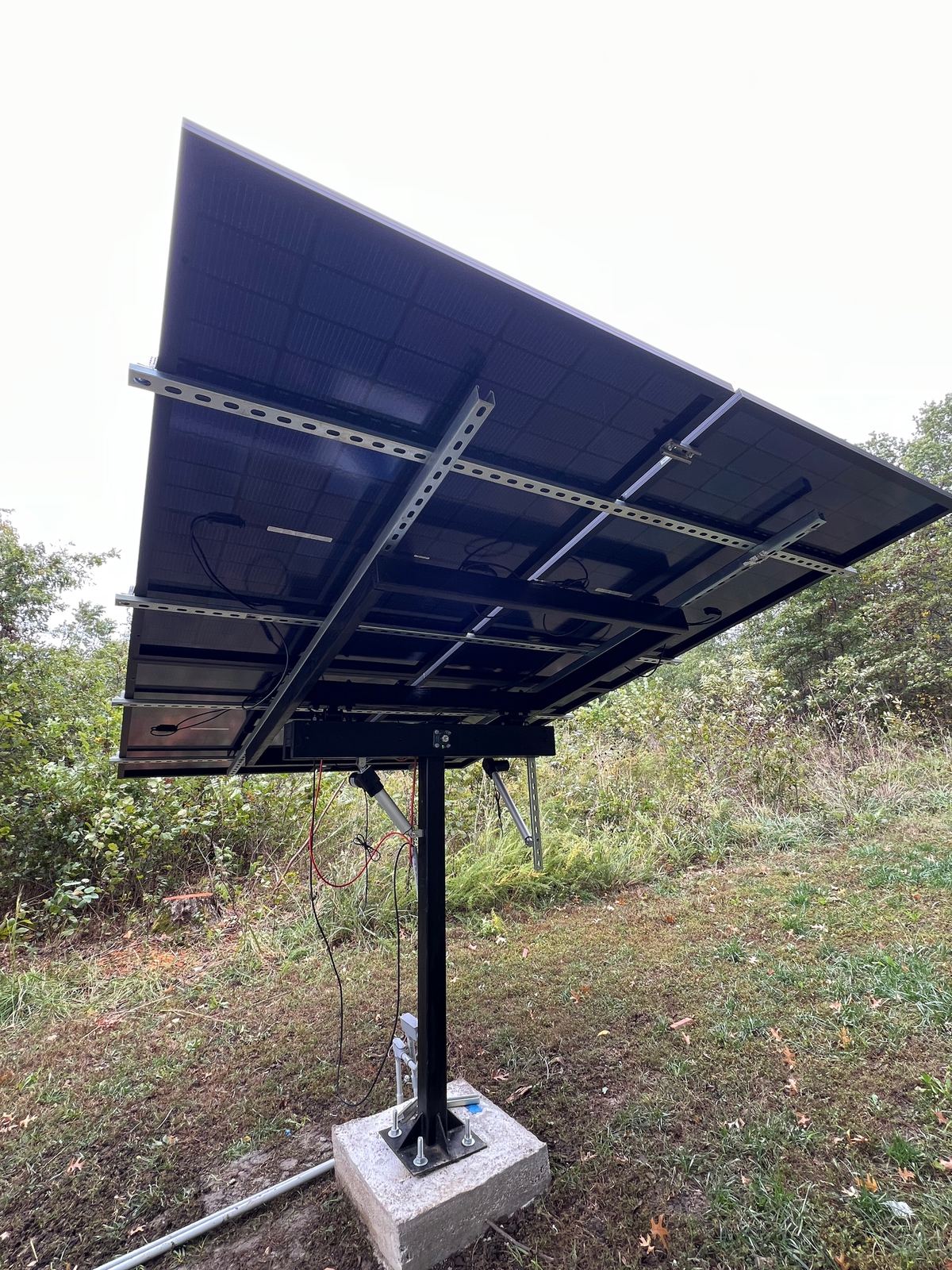
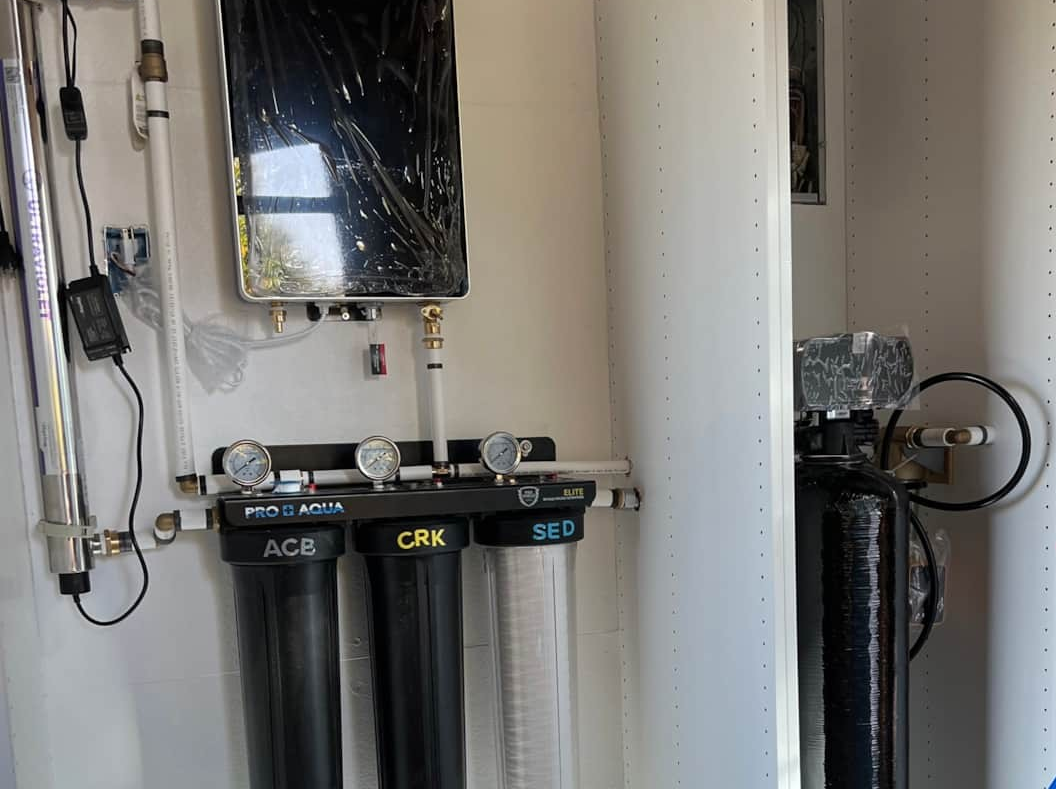
14A. Off-Grid Utilities. The Property is fully off-grid: Owner generates its own power and treats its own water, and these systems depend on the sun, weather and seasons. In extreme summer heat (around 100°F) or long periods of cloud, the mini-split air conditioning may not keep the indoor temperature as low as a grid-powered home, and Owner may need to reduce or pause air conditioning to keep essential systems running. Owner monitors the systems continuously and uses a backup propane generator when needed. Guest agrees to use power and water with care. These conditions are part of the off-grid experience and are not grounds for a refund.
14B. Security Camera. There are no cameras inside the pods. One security camera is located outside, facing the entry drive at the front entrance. It is normally used only for live viewing to check on the Property when no guests are staying. It can record, and may do so if Owner is alerted to unusual or prohibited activity, such as suspected parties, unauthorized extra guests or damage.
Risk and liability
15. Acts of God. If severe weather leads state or local authorities to issue a mandatory evacuation order, Guest is entitled to a prorated refund for each night Guest cannot occupy the Property. Owner will not be liable or in default under this Agreement for any failure or delay in performing its obligations caused by events outside its control, including acts of God.
16. Limitation on Liability. Owner is not responsible for any accidents, injuries or illness that occur to any member of the Rental Party or Guest’s visitors in or on the Property. Owner is not responsible for loss of personal belongings or valuables belonging to any member of the Rental Party or Guest’s visitors. Guest agrees to assume the risk of any harm arising from use of the Property. UNDER NO CIRCUMSTANCES AND UNDER NO LEGAL THEORY, TORT, CONTRACT, STRICT LIABILITY OR OTHERWISE, SHALL OWNER BE LIABLE TO GUEST OR ANY OTHER PERSON FOR ANY DAMAGES OF ANY NATURE WHATSOEVER, INCLUDING DAMAGES ARISING OUT OF OR RELATING TO THIS AGREEMENT OR GUEST’S RENTAL OR USE OF THE PROPERTY, EVEN IF OWNER HAS BEEN INFORMED OF THE POSSIBILITY OF SUCH DAMAGES.
17. Indemnification. Guest acknowledges that use of the Property by the Rental Party and Guest’s visitors is entirely at their own risk. Guest will indemnify and hold harmless Owner from all expenses, costs, damages, suits, actions or liabilities arising from or related to loss of or damage to personal property, injury or death resulting from the use or occupancy of the Property, or from any failure of the Rental Party or Guest’s visitors to follow the rules in Section 7.
18. Violation of Agreement. If Guest or any member of the Rental Party breaks any term of this Agreement, including maximum occupancy, visitors and the rules in Section 7, Owner may evict Guest and the Rental Party, and Guest will forfeit all rent and any security deposit paid.
General terms
19. Governing Law. This Agreement is governed by and construed in accordance with the laws of the State of Kansas, excluding its conflict-of-laws rules. Any dispute arising from this Agreement will first go to mediation. If mediation does not resolve it, the dispute will be settled by binding arbitration under the rules of the American Arbitration Association.
20. Amendments. This Agreement may be changed only by a written agreement signed by both Owner and Guest.
21. No Waiver. Neither Party waives any provision of this Agreement, or any right under it, unless the waiver is express and in writing.
22. Severability. If any provision of this Agreement is held invalid or unenforceable, in whole or in part, the remaining provisions stay valid and enforceable as if the invalid part had not been included.
23. Notices. Any notice under this Agreement must be in writing and sent by email to admin@podhopping.com.
24. Successors and Assigns. This Agreement benefits and binds Owner, its successors and assigns, and Guest and Guest’s permitted successors and assigns.
25. Entire Agreement. This Agreement is the entire agreement between the Parties on its subject and replaces all other negotiations, understandings and representations made between them.
26. Acceptance. By accepting this Agreement at checkout and completing the booking, Guest confirms they have read and agree to it, and that they accept it on behalf of every member of the Rental Party.


 Songbird Roasters × podhopping